
No Result Found
Build an age-inclusive workplace

How to turn age diversity into collaboration, performance and future-proof skills
More detailed information
Today’s teams are no longer just “multi-generational”. They are navigating different life stages, communication styles, learning expectations and career timelines, while work itself is being reshaped by AI and hybrid realities.
This keynote helps leaders reduce age-related friction, prevent silent disengagement (both young and old), and build practical systems for collaboration, knowledge transfer and fair development opportunities. So age diversity becomes a true performance advantage instead of a hidden risk.
What to expect
The real sources of intergenerational tension at work, and why they are intensifying now
Where age bias shows up quietly, and how to interrupt it
How to shift from “generational labels” to life-stage leadership
A practical playbook for knowledge transfer that does not depend on goodwill
How to make upskilling fair and universal, so no one is left behind as skills evolve
Clear next steps for leaders, managers and HR to build an age-inclusive culture
Why this matters: the challenges organisations face
Older workers report being overlooked. Younger workers report being dismissed as “entitled” or “lazy”. The organisational cost is talent loss and weakened collaboration.
Workforces are ageing fast, so age inclusion is now a capability issue, not a nice-to-have. In the EU, the number of employees aged 55+ rose from 23.8 million in 2010 to nearly 40 million in 2023.
A growing share of critical expertise is walking out the door, while younger talent expects faster growth and learning. The result is institutional memory loss and fragile succession.
Too many companies waste energy on “Gen Z is…” versus “Boomers are…” narratives. This shows up as mistrust, misreading of tone and unnecessary conflict, especially in feedback and meetings.
Upskilling fairness is becoming an intergenerational flashpoint. The World Economic Forum estimates that 39% of workers’ existing skills will be transformed or become outdated between 2025 and 2030. That means every age group needs continuous learning, not just “the young”.
Many managers were never trained to lead multi-age, hybrid, AI-changing teams. The result is inconsistent standards, uneven coaching and growing disengagement.
Mariam Harutyunyan is an entrepreneur, changemaker, keynote speaker, and bridge-builder on a clear mission: connecting people, broadening perspectives, and turning impact into action. Through her work, she translates complex societal and leadership challenges into high-impact keynotes, workshops, and advisory support that help organisations strengthen talent, culture, and long-term performance.
She founded the KinArmat Initiative, an impact-driven platform that strengthens female potential and supports organisations through strategic advice and project development around urgent societal challenges. She is also the founder of The Growth Circle, a leadership network for women to accelerate confidence, visibility, and leadership growth.
Since July 2025, she has served as Chair of the Belgian Women’s Council (Vrouwenraad).
For the past ten years, Mariam has facilitated roundtables and talks with high-level leaders, creating spaces where dialogue turns into real opportunities, both ways. She has led cross-sector work across Europe, Asia, and North America for organisations such as Google, Coca-Cola, AstraZeneca, and McKinsey.
In 2021, she was selected as one of Belgium’s 40 Under 40 leading societal voices. and served on the Diaspora Advisory Board for IOM UN Migration.
Through her podcast Women’s Health Uncovered, she contributes to the public conversation on health equity and the gender health gap.
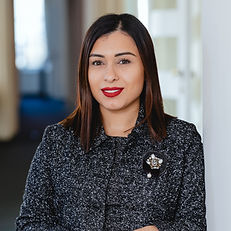
Diversity and inclusion advocate. It's time to start talking about your company's inclusion strategy from marketing to company culture.
More search results.

{title}
{title}